 ACROPORA COLLECTION- CUT TO ORDER
 FRAGS AND MINI COLONIES
 Reef 3D Prints
 ACROKINGDOM APPROVED
 ACROKINGDOM Fundamental Care
Guides
Catalytic Activated Carbon: My Cyano-Battling Success Story
Dec
Catalytic activated carbon saved my reef system. Two years ago I struggled with recurring cyano patches — not a full-blown outbreak, but annoying patches reappearing in the same spots, over and over. They would almost disappear at night and get worse when the lights are on. My microscope confirmed that it was cyanobacteria. I was manually removing the patches with a vacuum and was constantly increasing the flow in the affected areas. Also tried balancing phosphate and nitrate around a 1:100 ratio and boosted feeding to raise phosphates above 0.1 ppm. I spent hours reading other reefers’ experiences on forums. Nothing worked — until I started using catalytic activated carbon.

Why DOC Matters — and What It Is
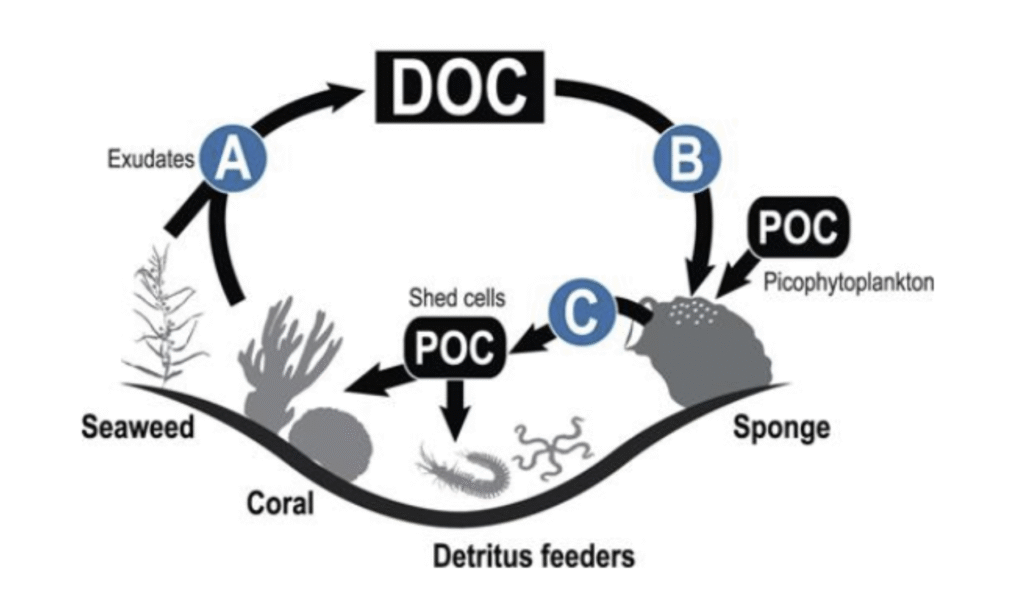
I eventually realized (with the use of ICP-MS) that the root of my problem wasn’t just nutrients: it was high levels of dissolved organic carbon (DOC). DOC consists of invisible organic compounds dissolved in water — from excess food, fish waste, detritus, algae exudates or even dying coral tissue. In a reef tank, elevated DOC can fuel bacterial growth which competes with corals.
Scientific studies support this: elevated DOC can shift microbial communities toward opportunistic, potentially pathogenic bacteria. This supports the idea that in reef tanks high DOC doesn’t just feed harmless microbes — it can disturb the microbial balance and stress corals.
Research on coral physiology also shows that high DOC reduces photosynthetic performance and increases microbial oxygen consumption, which can create localized oxygen depletion — a stressful situation for corals.
From Granular Carbon to Catalytic Activated Carbon
Back then I used regular granular activated carbon — but sparingly, because I noticed it pulled trace elements on my monthly ICP tests. As a result, I limited its use, which likely made it insufficient to control DOC. Once I learned about catalytic activated carbon, I decided to give it a try.
Catalytic activated carbon differs from regular carbon: it is very efficient at adsorbing dissolved organic compounds (DOC) while being gentler on trace elements. Because it doesn’t strip beneficial elements as aggressively, I felt more comfortable using it consistently.
Weekly Carbon Changes: A Gentle, Effective Approach
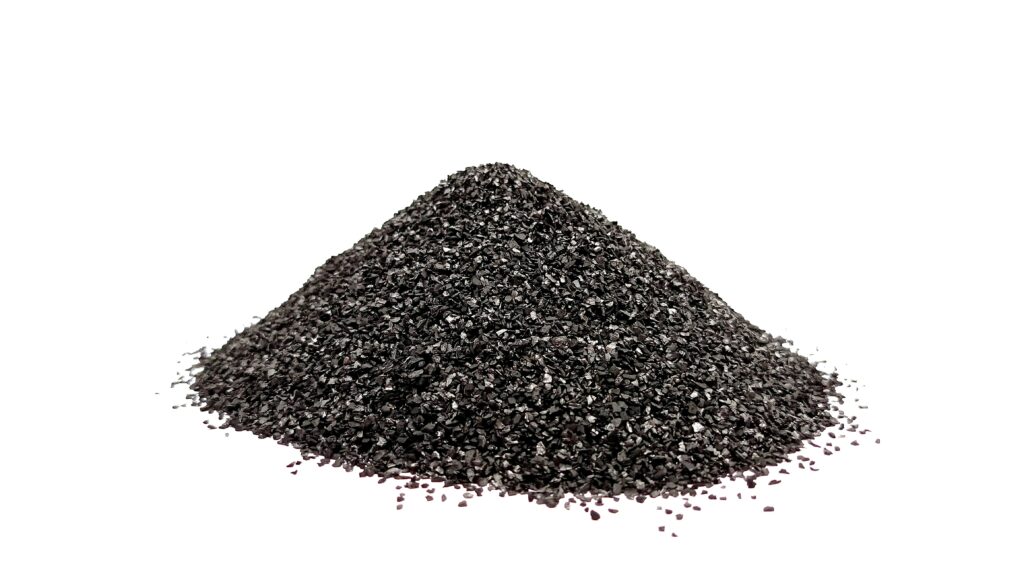
Rather than changing carbon monthly (as some manufacturers recommend), I prefer weekly schedule. I reasoned that gradual, small changes were less likely to cause abrupt chemistry shifts that could stress corals. Over several weeks of weekly changes — slowly increasing the amount of catalytic activated carbon — I monitored DOC via ICP-MS.
When the DOC level dropped from ~10 down to ~4–5, that’s when the transformation began.
Cyano vanished. Water turned crystal-clear. Light penetration improved significantly, increasing PAR to the corals. Alkalinity consumption doubled — a clear sign that corals ramped up calcification and growth.
Why I Believe Catalytic Activated Carbon Worked — and What I Learned
- Lowering DOC removed the “fuel” for opportunistic bacteria. Without excess DOC, conditions no longer favoured cyanobacteria or harmful bacterial growth.
- Improved water clarity allowed more light to reach corals, boosting photosynthesis and overall health.
- Increased alkalinity drawdown suggested enhanced calcification — corals were actively building skeletons and thriving.
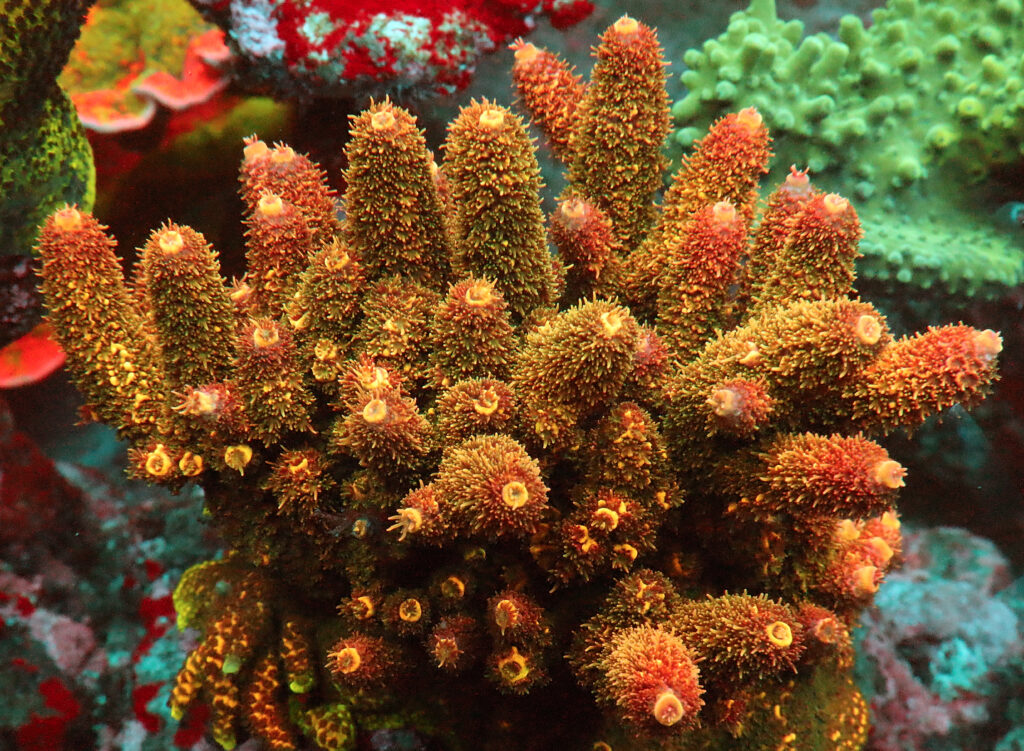
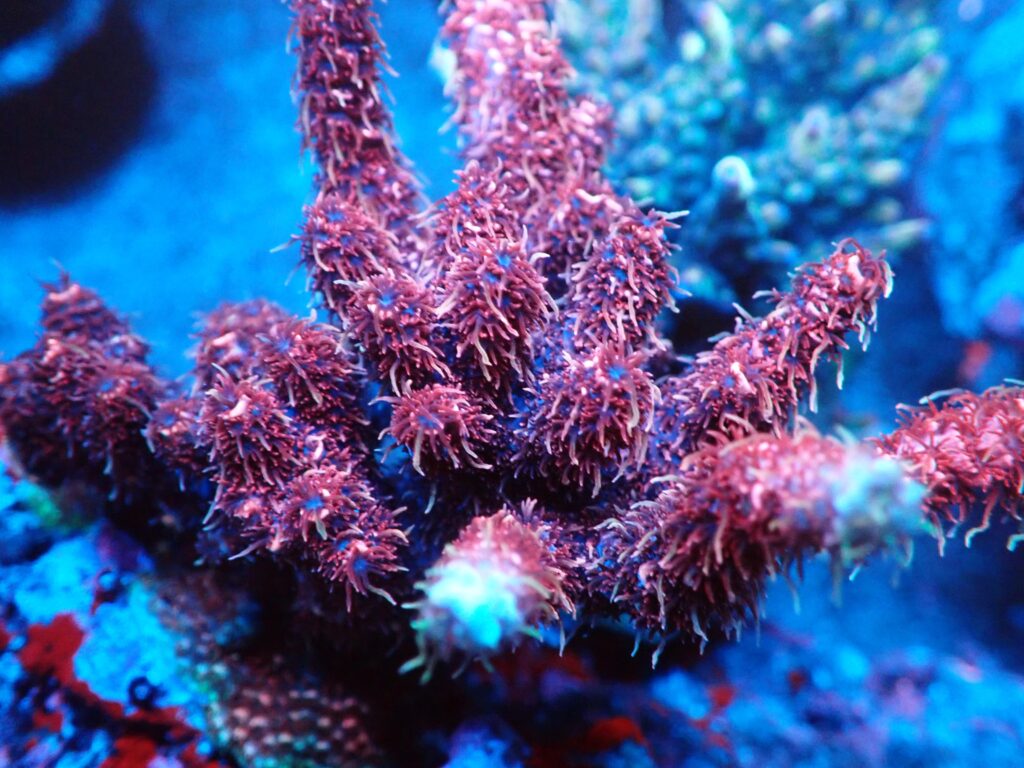
- Over time, corals extended polyps more readily and appeared healthier overall.
In fact, since using catalytic activated carbon, I can confidently say my corals perform best when DOC stays between 2–3. Interestingly, this is still higher than natural reef water values (typically ~0.7–1.6), but it works well in a captive environment.
A Real Story — Not a Scientific Paper (But Grounded in Science)
This post reflects a personal experience, not a controlled scientific study. Every system differs, so what worked in my reef might not translate directly to yours.
Still, I backed up my approach with published findings. Elevated DOC can trigger microbial shifts toward pathogenic bacteria, impair coral health through elevated bacterial respiration and oxygen depletion, and reduce coral photosynthesis and growth.
If you’re struggling with persistent cyano or poor coral growth — even with balanced nutrients and good flow — monitoring DOC and considering catalytic activated carbon might be a worthwhile step.
Salem Clemens discusses this topic further in the article below:
DOC is The Most Important Parameter For A Healthy Reef Tank: Here’s a New Method to Manage It
Buy– ACROKINGDOM Catalytic Activated Carbon
Check out our product line: ACROKINGDOM Fundamental Care
Check out our ACROPORA COLLECTION- CUT TO ORDER
